

“A massive mudslide carves a channel from the summit of a mountain down into the valley, 1,000 metres long … And a drop trickles through a damp, thick layer of paint, washing out a trail five centimetres long. The same thing happens everywhere …”1
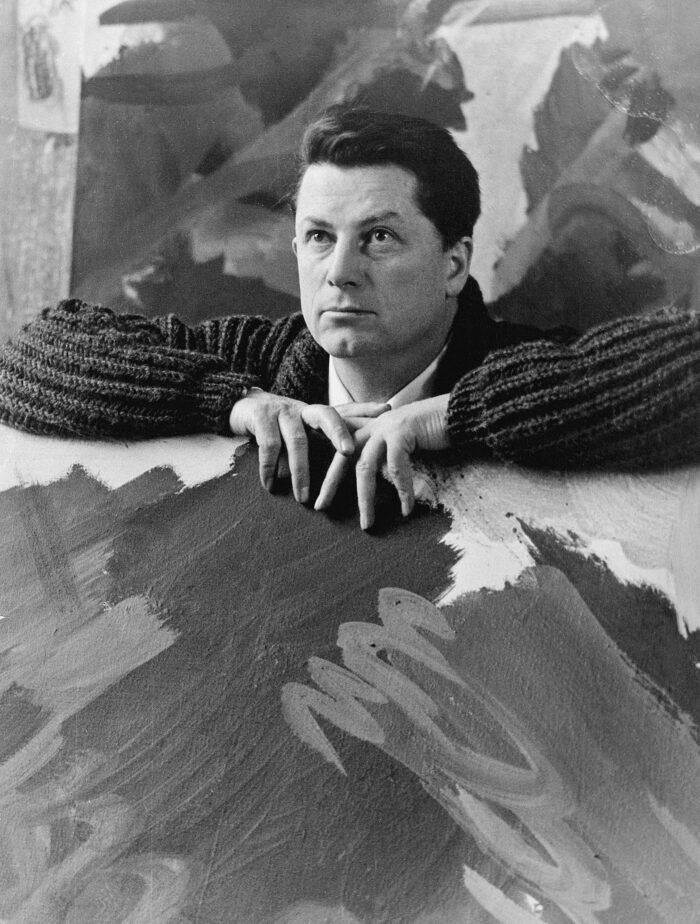
With his unique body of work, which has been featured in countless national and international exhibitions and numerous publications, Max Weiler (1910–2001) occupies a singular position within 20th-century Austrian art. The distinctiveness and originality of his multifaceted body of work are based less on a specific stylistic development than on a fundamental shift and redefinition of the concept of the image. Throughout his artistically highly productive career, nature presents itself as the starting point and frame of reference for Weiler’s painting. However, it is never understood as an object that needs to be depicted or interpreted.
‘I have sifted through, hammered out, kneaded and brought to a pure form—that is, realised—the spiritual, the sense of the infinite landscape, the feeling of the infinite and mystical that is palpable in the landscape, which the Song Chinese, Grünewald and Caspar David Friedrich possessed.’2
Max Weiler’s painting becomes an organic process in itself. His thinking is rooted both in his direct experience of the Tyrolean landscape and in his intensive engagement with Chinese landscape painting of the Song Dynasty (960–1279 AD). It is not so much the outward appearance of nature as its inherent order that interests the painter. This perspective shapes Weiler’s entire body of work and, at the same time, explains why he always rejected the classification of his painting as abstract. His paintings do not arise from a turning away from nature; they grow out of his ongoing engagement with it. He effectively stages the painting as a ‘natural process’. Weiler is no longer interested in the outward form of a tree or a landscape; he is captivated by the dynamics of their becoming.
 Max Weiler
 Max Weiler
 Max Weiler
 Max Weiler
 Max Weiler
 Max Weiler
 Max Weiler
 Max Weiler
 Max Weiler
 Max Weiler
 Max Weiler
 Max Weiler
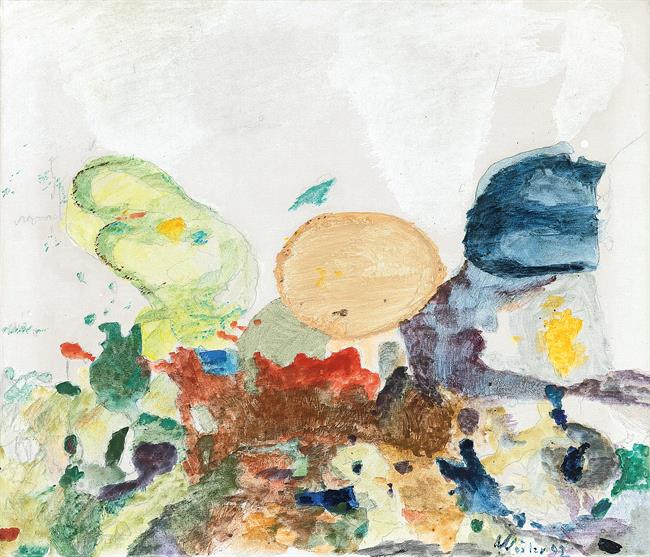 Max Weiler
 Max Weiler
 Max Weiler
 Max Weiler
 Max Weiler
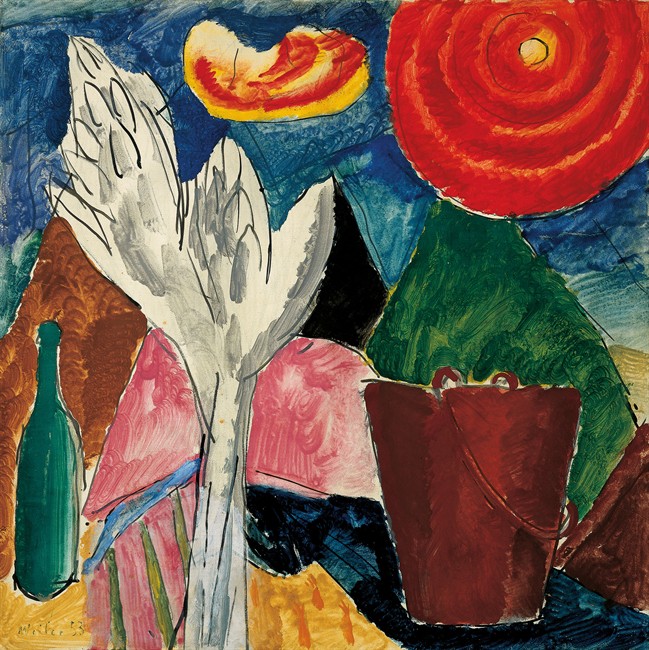 Max Weiler
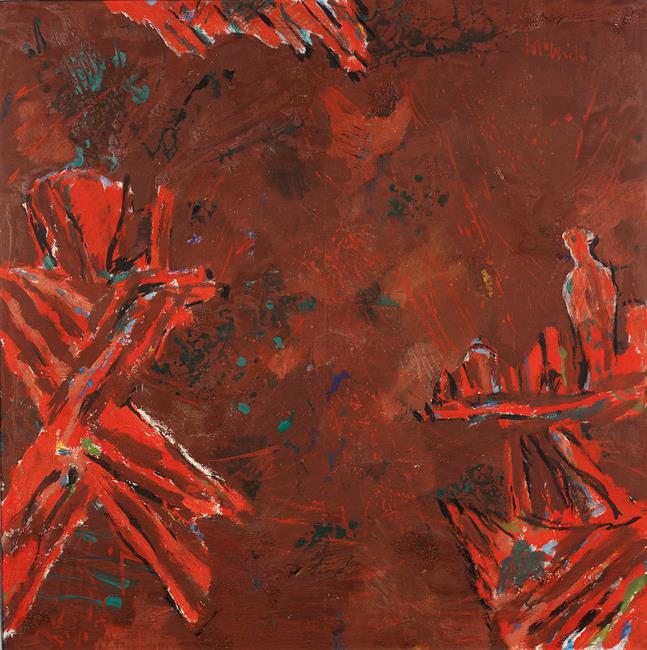 Max Weiler
 Max Weiler
 Max Weiler
 Max Weiler
 Max Weiler
 Max Weiler
 Max Weiler
 Max Weiler
 Max Weiler
 Max Weiler
 Max Weiler
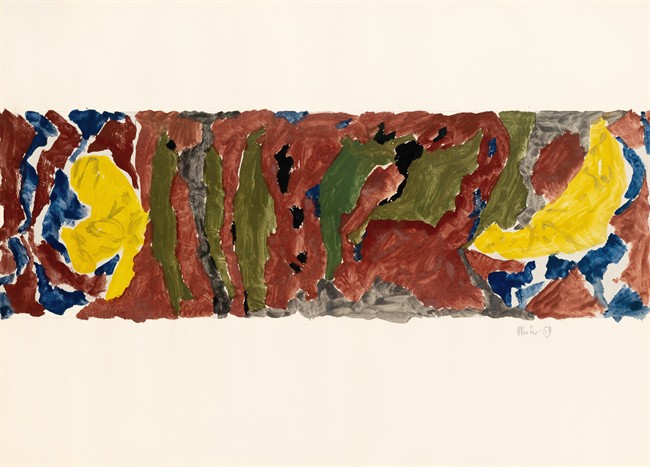 Max Weiler
 Max Weiler
 Max Weiler
 Max Weiler
 Max Weiler
 Max Weiler